
Caring for your meals
How to Heat & Store Your HIF Meals
Freshly prepared Indian home meals, crafted in small batches by authentic Kitchen Queens, packed for convenience and ready to savor at home. Follow these simple heating and storage steps to keep every heirloom aroma tasting its best.
- Cooked byHIF Kitchen
- DeliveryChilled or Frozen
- SpeedReady in Minutes
- StandardAlways Piping Hot
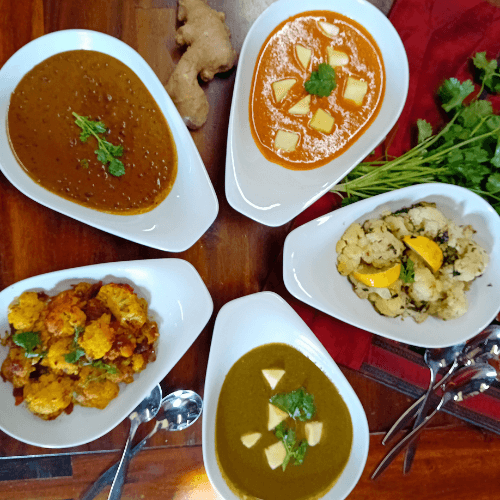
Please Note: Microwave wattages and oven models vary significantly across UK homes. These instructions serve as an expert guide; always consult the exact label sticker affixed to your dish container.
Before You Heat
When your parcel arrives, unpack your dishes immediately and place them into your refrigerator (below 4°C) or freezer (-18°C) without delay. Keep items frozen unless you plan to consume them within 24 hours.
- Thaw Safely: Always thaw frozen dishes in the refrigerator overnight. Never thaw at ambient room temperatures.
- Piping Hot Rule: Heat food until steam freely escapes and internal temperatures reach 75°C+. Never reheat twice.
- Steam Care: Exercise caution when peeling packaging film or unsealing lids—pressurized steam can cause burns.
- No Refreezing: Once fully defrosted or reheated, do not place back into the freezer under any circumstances.
Step-by-step navigation
Choose Your Meal Type
Different HIF home meals heat best through distinct culinary techniques. Jump straight to your dish category below.
- British Discovery Complete Meal Bowls All-in-one balanced tiffins, rice bowls, and protein prep bowls. Microwave-First • 4–6 mins
- Indian Dishes Curries, Dals & Gravies Paneer makhani, slow-cooked dal makhani, homestyle chicken & mutton curries. Hob or Microwave • 5–8 mins
- Stir-Fried Dry Sabzi & Veggies Aloo gobi, bhindi masala, baingan bharta, and seasonal roasted vegetables. Covered Pan • 8–10 mins
- Basmati Special Rice & Dum Biryani Fragrant jeera rice, peas pulao, Lucknowi biryani, and Hyderabadi Rice items. Microwave + Sprinkle • 4–5 mins
- Tawa Breads Rotis & Paranthas Phulkas, flaky lachha paranthas, theplas, and spiced aloo/gobi stuffed flatbreads. Hot Tawa / Pan • 30–60s / side
- Grill Grilled & Tikka Bites Tandoori chicken skewers, paneer tikka, seekh kebabs, and soya chaap starters. Air Fryer / Oven • 4–10 mins
HIF Kitchen recommended
Detailed Heating Instructions
Complete Indian Meal Bowls British Discovery Journey
A complete culinary journey in one bowl — ready to heat, eat, and enjoy within minutes.
Best for
HIF one-pot meal bowls, rice & dal duos, protein meal-prep bowls, and single-container office lunches.
Microwave Method (Primary)
Loosen the tub lid completely. Microwave on high (800W–900W) for 3–4 minutes. Gently stir contents from edge to center, then microwave for an additional 1–2 minutes until piping hot throughout.
From Frozen Approach
For gold-standard results, thaw in your fridge overnight. If heating direct from freezer, increase microwave duration to 7–9 minutes, stirring well twice throughout cooking.
Crucial Check: Remove cold accompaniment cups (cucumber raita, mint chutney, kachumber salad) prior to heating. Let the heated bowl stand for 1 full minute to allow thermal redistribution before tasting.
Curries, Dals & Gravy Boxes Indian Dishes
Deeply simmered heirloom curries and tempered lentil bowls with rich spice notes.
Best for
Yellow Tadka Dal, Dal Makhani, Punjabi Rajma, Amritsari Chana, Butter Chicken, Homestyle Lamb Curry, Paneer Lababdar.
Hob / Pan Method (Recommended)
Transfer curry directly into a saucepan. Warm on medium heat with lid on for 5–8 minutes, stirring occasionally. If gravy appears reduced or overly dense, stir in 1–2 tbsp of boiling water.
Microwave Method
Loosen container lid. Microwave on full power for 3–4 minutes. Stir thoroughly, then cook for an additional 1–2 minutes until steaming hot throughout. Rest for 2 minutes.
Safety Directive: Do not refreeze once defrosted. Never microwave metal foil seals or unapproved plastics.
Dry Sabzi & Vegetable Dishes
Retain tender crunch and aromatic spices without turning vegetables soft or soggy.
Best for
Aloo Gobi, Crispy Okra (Bhindi Masala), Baingan Bharta, Aloo Beans, Cabbage Mattar, Spiced Karela.
Pan Method (Best Texture)
Place sabzi in a flat non-stick frying pan over medium heat. Cover with a snug lid and heat for 8–10 minutes, giving it a gentle flip midway. Add a teaspoon of water only if the vegetables stick.
Microwave Method
Keep lid slightly ajar. Heat on full power for 2–3 minutes, gently toss the vegetables, and microwave for another 2–3 minutes. Let stand 2 minutes before serving.
Texture Preservation: Never heat dry sabzi uncovered on the hob, as moisture will evaporate and leave spices scorched.
Rice & Dum Biryani
Keep aged long-grain basmati ultra-fluffy, tender, and beautifully separated.
Best for
Steamed Basmati, Jeera Rice, Matar Pulao, Vegetable Biryani, Lucknowi Chicken Dum Biryani, Royal Lamb Biryani.
Master Microwave Protocol
Before heating, lightly flick 1–2 teaspoons of cold water over the top surface of the rice. Rest the lid lightly on top (not snapped shut) to trap the generated vapor. Microwave on full power for 4–5 minutes. If heating a large family container, pause at minute 3 to gently rotate the rice using a fork.
The 2-Minute Rest Principle: Always allow biryani to stand untouched for 2 minutes after heating. The trapped aromatic steam redistributes natural saffron and ghee juices through the basmati layers.
Rotis, Paranthas & Flatbreads
Revive soft phulkas and crispy paranthas straight from our artisan tawas.
Best for
Homestyle Phulkas, Tawa Chapati, Methi Theplas, Stuffed Aloo/Paneer Paranthas, Gluten-free Millet Rotis.
Tawa / Skillet (Recommended)
Warm a non-stick tawa on medium heat. Place roti and heat for 30–60 seconds per side until soft and hot. For paranthas, add a dab of ghee or butter to recreate tawa-crisp layers.
Oven in Foil Method
For multiple rotis or paranthas, wrap the stack securely in aluminium foil. Warm in a preheated oven at 180°C for 5–7 minutes. Keep enclosed in foil until serving.
Microwave Warning: Strictly avoid microwaving Indian flatbreads where possible; high frequency waves pull out moisture, rendering dough leathery and tough within 60 seconds.
Grilled, Tandoori & Tikka Items
Achieve signature charred edges and juicy succulent centers at home.
Best for
Chicken Tikka, Tandoori Murgh Wings, Paneer Tikka Cubes, Lamb Seekh Kebabs, Amritsari Fish Bites, Tandoori Soya Chaap.
1. Air Fryer (Fastest)
Preheat to 180°C. Cook for 4–7 minutes, shaking the basket once halfway through for crisp char marks.
2. Fan Oven
Bake on a lined oven tray at 180°C for 6–10 minutes until hot, sizzling, and caramelized at edges.
3. Boiling Pouch
Submerge intact vacuum pouch into gently boiling water for 6–8 minutes for maximum tenderness.
Chef's Finish: Squeeze fresh lime juice and dust with HIF Chaat Masala immediately after removing from heat.
Food hygiene & preservation
Storage & Leftover Care
Maximize freshness, prevent food waste, and safeguard your household with our kitchen safety rules.
Storage Instructions
Optimal pantry, fridge & freezer management
Immediate Unpacking
Transfer your courier box items directly to the fridge or freezer within 45 minutes of delivery.
Frozen Dishes (-18°C)
Store frozen meals intact until intended day of use. Keep frozen unless consuming within 24 hours.
Chilled Shelf Life (<4°C)
Refrigerated curries remain fresh for up to 48 hours; dry sabzis and starters for up to 3 days.
Never Leave at Room Temperature
Indian gravies contain dairy and ground aromatics prone to bacterial growth if left out longer than 90 minutes.
Recommended home fridge setpoint: 1°C to 4°C for maximum freshness.
Reheating Leftovers Safely
Protocols for unconsumed portions
Cool Promptly
Cool remaining hot food within 1 hour. Divide large portions into shallower dishes for rapid cooling.
Airtight Glass or BPA-Free
Seal leftover food in clean, airtight containers to lock in essential spice aromas and avoid odors.
Strict Reheat Once Rule
Only portion out and heat what you will eat immediately. Never re-reheat leftover portions twice.
Rice Caution
Cooked basmati must be cooled and chilled within 1 hour. Consume rice leftovers within 24 hours.
When in Doubt: If any dish smells uncharacteristically sour, displays separation not typical of natural ghee, or has been left at room temperature overnight, discard immediately.
Questions about an opened dish? Chat with Chef on WhatsApp
Kitchen Queen wisdom
7 Golden Rules for Peak Flavor
Follow these regional cooking nuances to achieve that authentic "just off the stove" taste.
-
Stir Bowls Midway
Microwaves create cold central pockets. Pausing halfway through to fold the outer curry inward balances spice heat and moisture.
-
Simmer Curries Low
High flames break delicate cashew, cream, or yogurt emulsifications. Gentle pan warmth wakes up the whole cardamom and mace gently.
-
Cover Dry Sabzi
Retain vital moisture by trapping natural vegetable steam with a snug lid and adding a single teaspoon of water if needed.
-
Tawa Over Microwave
Never zap flatbreads in the microwave. Sixty seconds on a hot tawa with a light brush of butter completely revives flaky soft elasticity.
-
Sprinkle on Basmati
A few drops of cold water over chilled basmati creates a mini steam chamber in your microwave, plumping every individual grain.
-
Air Fry For Crisp Tandoor
Revive tikka char and succulent interior moisture in 5 minutes at 180°C inside your countertop air fryer basket.
-
Always Heat Piping Hot (75°C+)
The Golden Home Food Standard
Whether you choose microwave, tawa, or hob, always ensure dishes are heated until steaming throughout with an internal core temperature of at least 75°C before plating up.
Clarity & assurance
Frequently Asked Questions
Everything you need to know about defrosting, reheating, and preserving our home-cooked meals.
Can I heat my HIF meal directly from frozen?
Yes, many of our dishes can be heated straight from the freezer. However, for optimum gravy texture, succulent paneer, and tender meat, we strongly advise thawing overnight inside your refrigerator before heating.
Can I microwave all HIF items?
Bowls, curries, dals, sabzi and rice all heat well in the microwave. Flatbreads do not: use a hot tawa or pan for rotis and paranthas, and an air fryer or oven for grilled and tikka items.
Why is covered heating recommended for dry sabzi?
A snug lid traps the vegetables’ own steam, so they heat through without drying out. Uncovered on the hob, moisture evaporates and the spices can scorch.
Can I refreeze meals once defrosted?
No. Once fully defrosted or reheated, do not place meals back into the freezer under any circumstances.
What should I do with cold accompaniments?
Remove cold accompaniment cups (cucumber raita, mint chutney, kachumber salad) before heating, and serve them alongside once the dish is hot.
How long can I keep opened curries in the fridge?
Once opened and safely refrigerated below 4°C, curries and dals should be consumed within 24 to 48 hours. Rice dishes should be eaten within 24 hours of reheating the first portion.
Why do heating times vary between microwave models?
Microwave wattage varies widely across UK homes. Our times assume 800W–900W, so lower wattages need longer and higher wattages less. Always heat until steaming hot throughout.
Can I heat the plastic tubs directly?
In the microwave, yes, with the lid loosened. Never microwave metal foil seals or unapproved plastics. For the hob, oven or air fryer, transfer the dish to a suitable pan or tray first.
What if I am still unsure about heating a specific dish?
Check the label on your dish container, or message our kitchen team on WhatsApp before heating. We are happy to help.
Direct WhatsApp Line to Our Kitchen
Still unsure how to heat your meal?
Every HIF dish is packed with product-specific instructions on the label. If you ever have questions regarding a seasonal festive special or dietary adaptation, message our kitchen team directly before heating.